Mycobacterium bovis Q & A.

WHAT IS BTB?
Btb is Mycobacterium bovis, often referred to as the bovine tubercle bacillus, is a member of the Mycobacterium tuberculosis complex, a group of organisms with the capacity to cause tuberculosis in humans. Most animals are potential reservoirs of infection. Cattle, in particular, are susceptible to infection and subsequent tuberculous lung disease caused by M. bovis.
Mycobacterium bovis is a slow-growing (16 to 20 hour generation time), aerobic bacterium and the causative agent of tuberculosis in cattle (known as bovine TB). Related to M. tuberculosis—the bacterium which causes tuberculosis in humans—M. bovis can also jump the species barrier and cause tuberculosis in humans.
M. BOVIS IN CATTLE
During the 1930s, 40% of slaughtered cattle in England and Wales had obvious tuberculosis. Rates of disease have fallen dramatically since this time with new confirmed cases occurring in only about 0.4% of UK cattle herds each year. However, the incidence of tuberculous disease in UK cattle caused by M. bovis is increasing. The most significant increase in M. bovis cases is reported from the south west of England, where over 1% of cattle herds are now affected annually.
BVA & THE IEP SAY IT’S INHUMANE
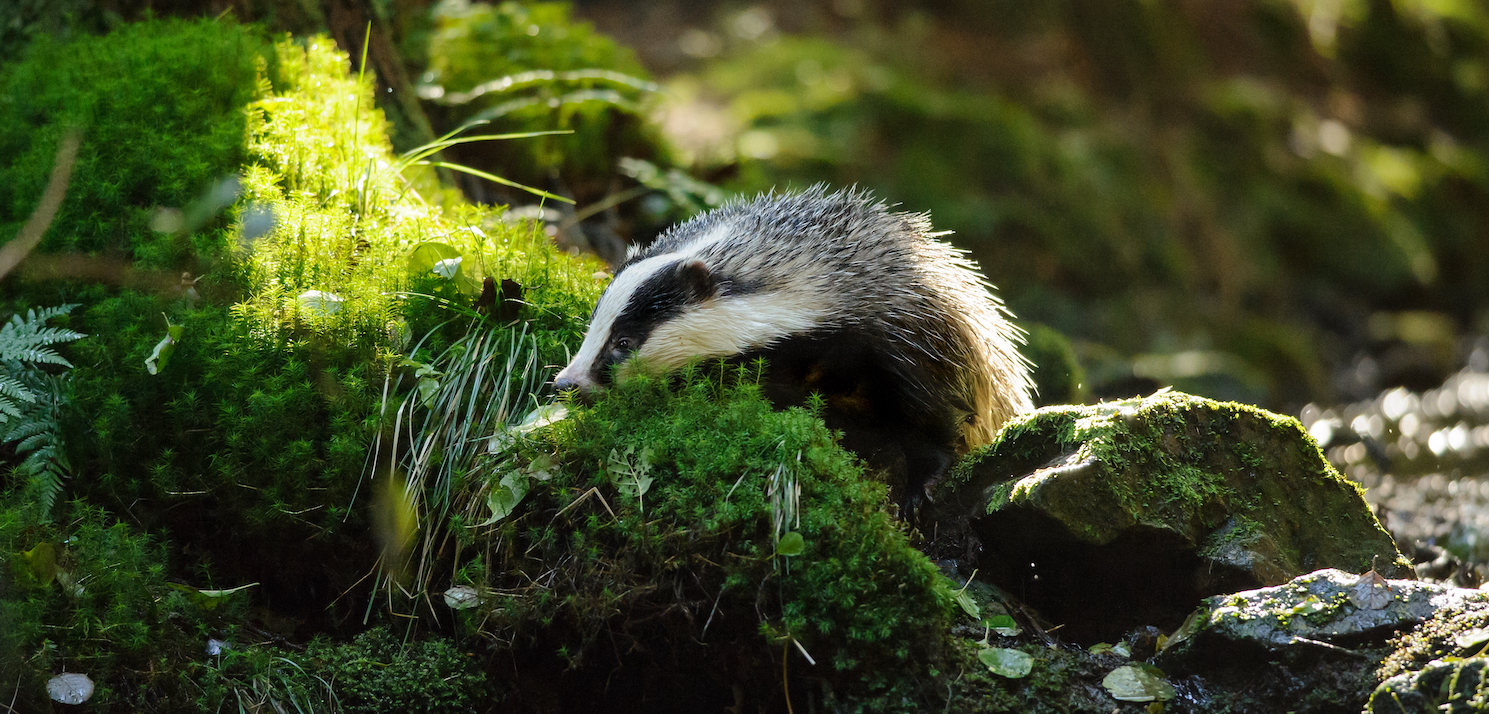
The BVA have condemned free-shooting of badgers as inhumane yet it continues. The Government’s IEP (Independent Expert Panel) came to the conclusion that the cull was inhumane, and were promptly dispatched, an indication is shows disregard for the suffering of animals.
Experts including Lord Krebs have been warning the Government from the beginning that killing badgers will not make any impact on the problem of Bovine TB in Cattle. Wales, where no badgers have been killed shows a significant improvement in bTB incidence in cattle. They achieved this by stronger controls within the cattle farming industry.
WHO CARRIES BTB?
The following animals have been shown to carry bovine TB.
- Deer = 36% positive (includes farmed, wild and park deer)
- Cat = 25% positive
- Dog = 27% positive
- Pig = 19% positive
- Alpaca = 56% positive
- Llama = 0%
- Sheep = 44% positive
- Goat = 0
- Ferret (!) = 0
- Farmed wild boar = 0 (NB: two cases this year confirmed for wild boar and TB, both on TB infected farms
Foxes, Dogs, cats and Rats are also know to carry bTB.
HUMANS have a 1% incidence of TB, skewed to farm workers. An increasing trend is for higher occurrences (live cultural positives) of TB in cats and alpacas.
TRANSMISSION OF BTB
Transmission of M. bovis can occur between animals, from animals to humans and vice versa. The only case this century in the UK of bovine TB in a human was transmitted by an alpaca. Bovine TB is transmitted to humans in developing countries where people live in close proximity to cattle. Recent studies detect bovine TB living in the environment in dust, waterways and slurry. As with M. tuberculosis, transmission of bovine TB is most commonly spread by the aerosol route but also through the ingestion of milk and meat from infected animals. The link between drinking milk from diseased cows and the development of scrofula, cervical lymph node tuberculosis, was established mid-19th century when more than half of all cervical lymphadenitis cases in children were caused by M. bovis. Infection acquired through ingesting M. bovis is more likely to result in non-pulmonary forms of disease. Pasturisation of milk, immunisation of humans and healthy diet has seen the number of cases reduce dramatically.
It should be noted cattle with bTB lesions do routinely enter the food chain.