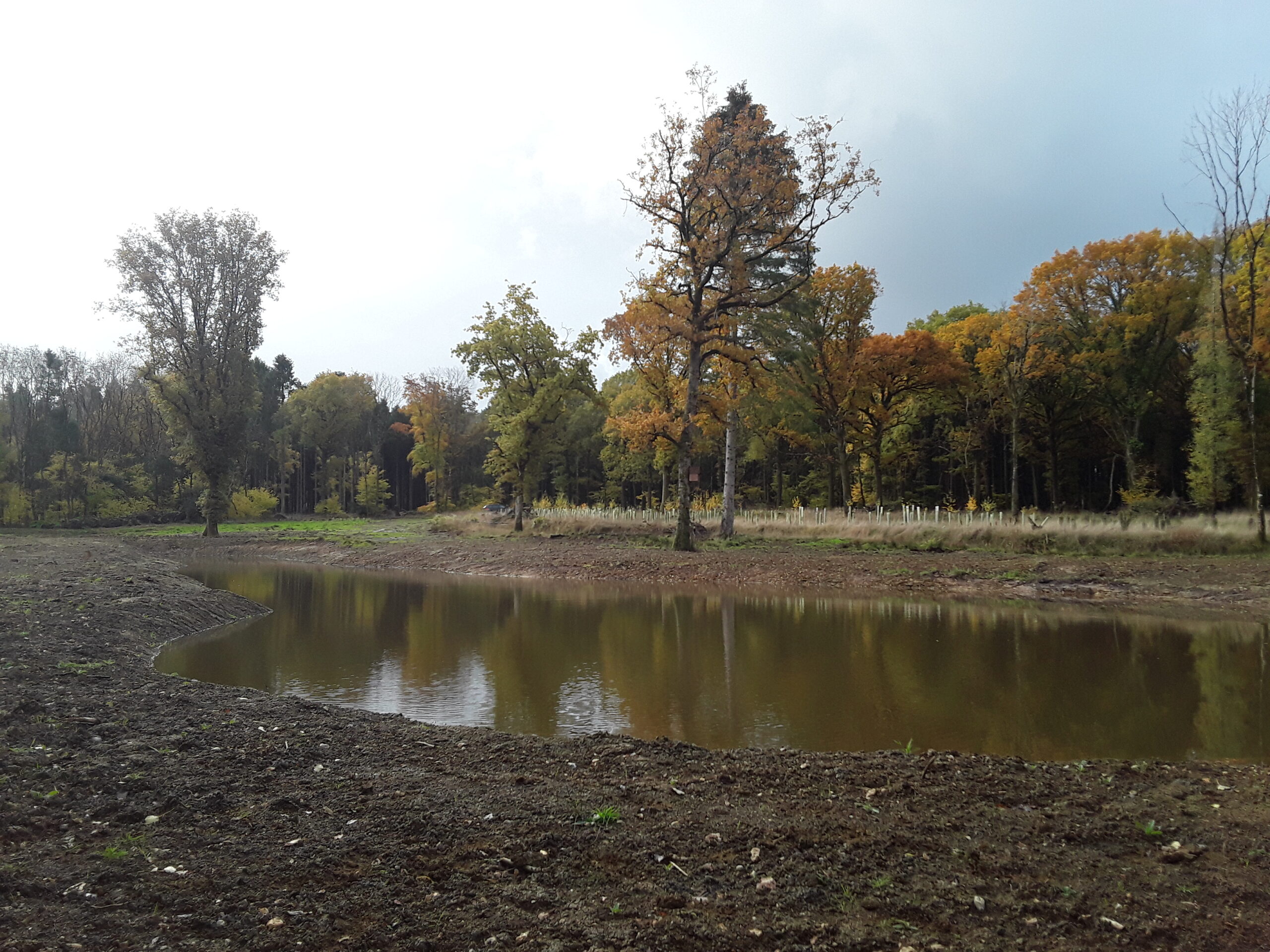
Changing any habitat will drastically effect its inhabitant so make sure you know who you will be effecting, for those creatures it will be a matter of life or death
Protecting and Restoring Wildlife Habitats
A home for wildlife. A life-support system for us all.
A tree is never just a tree. A hedgerow is never just a boundary. A patch of soil is never just dirt.
Each is part of a living world: a network of homes, food sources and safe routes that connects plants, animals, fungi and the smallest creatures beneath our feet. Together, these habitats support wildlife and help sustain the natural systems on which we all depend.
Yet habitats are being lost, damaged and broken apart. To protect wildlife, we must look more carefully at the places animals call home — and put their needs at the heart of decisions about how land is used.
When a habitat disappears, so does a home
Wildlife needs the same essentials we do: food, water, shelter and a safe place to raise a family. When a habitat changes or disappears, those things can be lost at once.
A single tree might provide a maternity roost for bats, shelter for an owl, food for insects and a nesting place for birds. Its roots support life beneath the soil, while its branches connect animals to the wider landscape. Remove it, and the effects can reach far beyond the tree itself.
A hedgerow may be a nesting site, a food source and a sheltered route between habitats. A pond may support amphibians, insects, birds and mammals. Even a fallen log can be home to a remarkable community of fungi and invertebrates.
Imagine losing your home, your food and your water overnight, with nowhere safe to go. For wildlife, this can happen when a familiar habitat is cleared or dramatically changed.
Protecting what is already there
Creating new habitats is valuable, but established habitats can take many years to develop. An old tree, an established hedgerow or a healthy patch of soil cannot simply be replaced overnight.
This applies to green spaces as well as land being developed for buildings and roads. A woodland planted as a crop may have grown for decades, becoming a home for many species. When large areas are harvested or cleared at once, the sudden loss can have a profound effect on the wildlife living there.
Careful planning and sensitive management can help reduce that impact. Before making changes, we need to understand what lives there, how the habitat is used and what those species need throughout the year.
Seeing the whole picture
The animals we notice are only part of the story. Beneath our feet and among roots, leaves and dead wood are fungi, insects and countless other invertebrates. Many have very specific needs, and their relationships with plants and other species are essential to a healthy habitat.
Planting more trees and flowers can be a wonderful way to help nature, but the right plants need to be in the right places. A planting scheme should respect the habitat that already exists and support the wildlife that depends on it. For example, planting trees over an established species-rich grassland could damage the very habitat we want to protect.
More planting does not automatically mean a better habitat.
Understanding the land comes first.
Making space for wildlife
At Save Me Trust, we believe that people and wildlife should be able to share our landscapes. Homes, businesses and communities are important, but so are the wild neighbours already living alongside us.
Whether caring for a garden, managing a woodland or planning a new development, we can make better choices for wildlife:
Protect existing habitats wherever possible, particularly established trees, hedgerows, ponds and other valuable features.
Understand what lives there before work begins, including species that may be hidden or use the site seasonally.
Keep habitats connected, so animals can move safely between places to feed, shelter and breed.
Choose appropriate planting that complements the existing habitat and supports local wildlife.
Plan changes carefully, avoiding sudden, extensive loss of shelter and food.
Manage land for the long term, giving wildlife the time and space it needs to thrive.
Our approach
We look at each landscape as a living home. We aim to understand and protect its existing features, then enhance them in ways that support the wildlife already there.
By managing and planting with wildlife in mind, we can help create healthier, more connected habitats — places where animals and plants can live, reproduce and flourish for generations to come.
Protect the habitat, and you protect the lives within it.