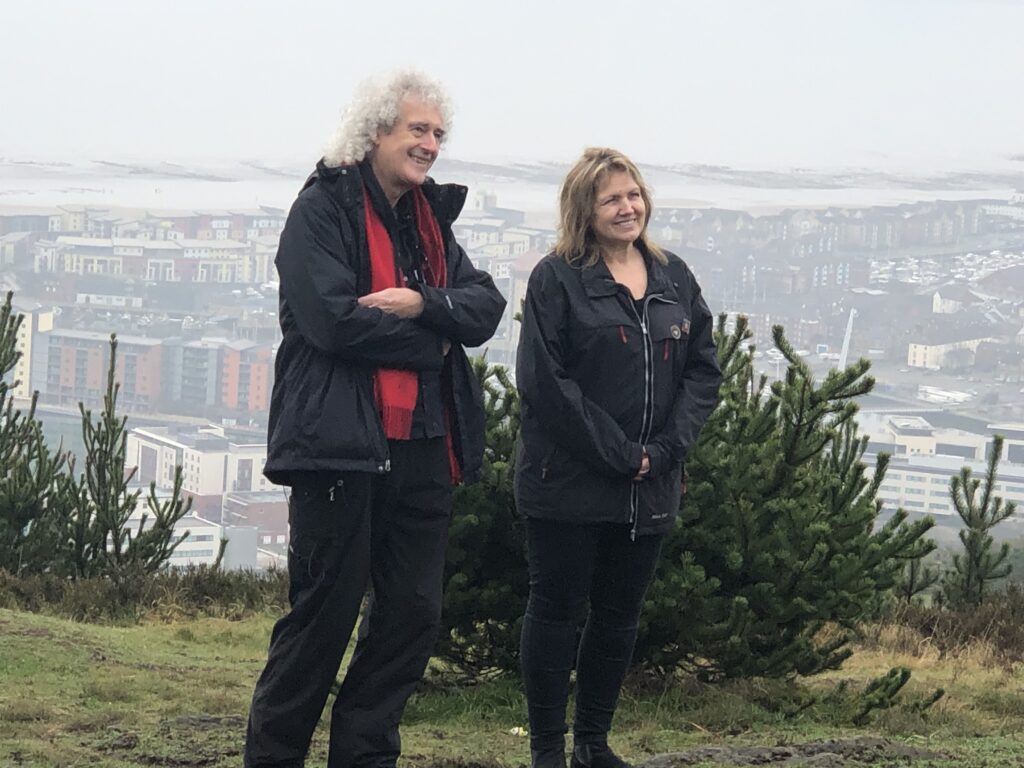
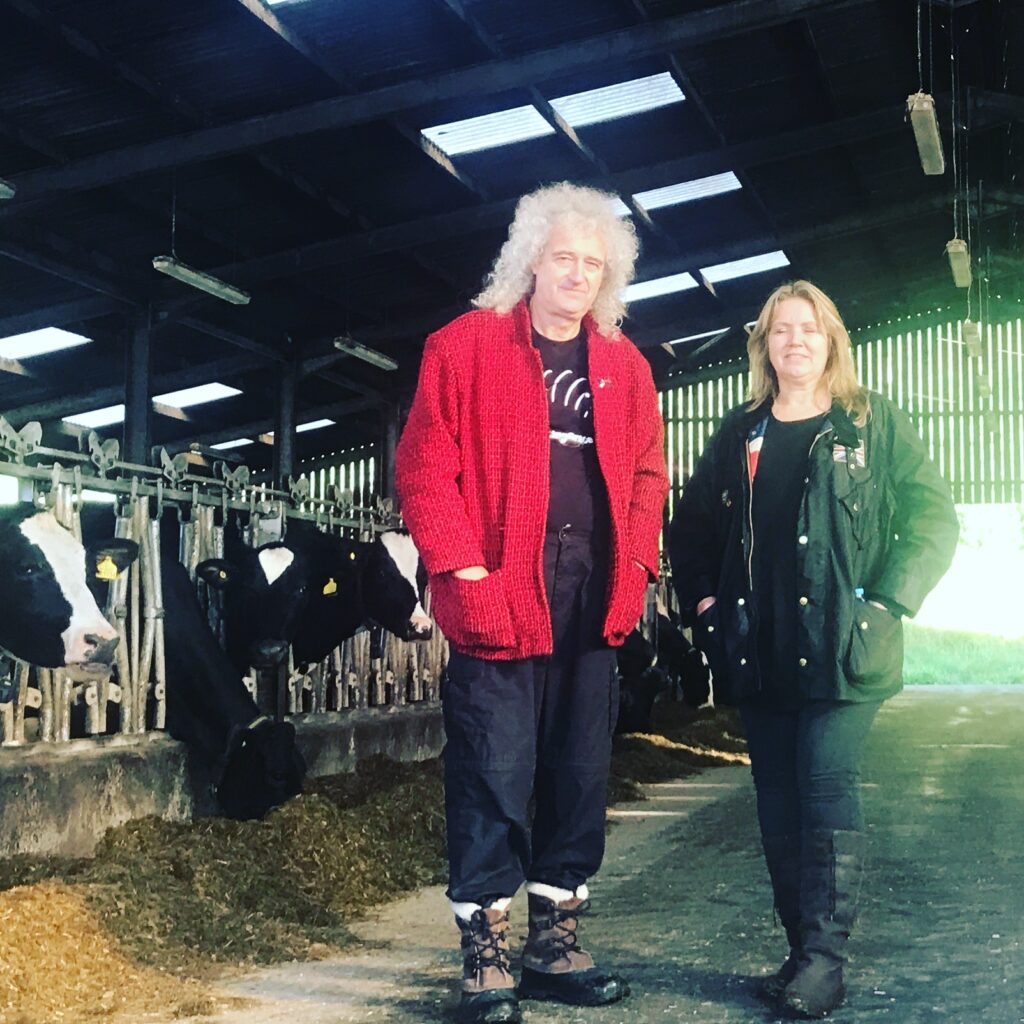
Two people. One shared passion. A determination to make a difference.
In November 2004, the Hunting Act received Royal Assent, and on 18 February 2005, hunting wild mammals with dogs became illegal in England and Wales, subject to certain exemptions. It was a landmark moment for animal welfare and a victory for those who had campaigned for years to end the cruelty of hunting. But the battle was far from over. By 2008, reports were emerging that a future Conservative government might seek to repeal the Hunting Act. At the same time, discussions about the return of badger culling were gathering momentum. For Anne the prospect of reversing years of progress in wildlife protection was simply unacceptable.
A Friendship Built Around Wildlife
Anne had spent many years rescuing and rehabilitating injured and orphaned wild animals through Harper Asprey Wildlife Rescue. Her work included developing specialist soft-release techniques, giving rehabilitated animals the best possible chance of successfully returning to the wild.
Brian had become closely involved in this work, sharing Anne’s experiences on the front line and developing a deeper understanding of the challenges facing British wildlife.
Through the individual animals she rescued, cared for and released, they saw first-hand that every creature has its own needs, behaviours and place in the natural world.
Brian had always loved wildlife, but never had the time to look deeper wildlife held a particularly special place in his heart.
The thought that these intelligent, sensitive and beautiful animals could once again be legally hunted and killed by packs of dogs was something neither Anne nor Brian was prepared to accept.
They knew they had to act.

Finding Their Own Voice
Initially, Anne and Brian joined forces with an established national organisation to campaign against the proposed return of hunting.
However, they soon encountered a fundamental difference in approach. They were asked to campaign without becoming involved in politics.
For Anne and Brian, this presented an impossible contradiction.
So many of the challenges facing wildlife are shaped by political decisions. Legislation, land management, habitat protection and government policy all determine how wild animals are treated and whether they can survive.
Protecting wildlife means being prepared to engage with those decisions, challenge policies when necessary and work constructively with people across the political spectrum.
They wanted an independent organisation that could follow the evidence, speak openly, challenge decisions and bring opposing sides together to find practical solutions.
And so, Save Me was born.
The Story Behind Our Name
The name Save Me was suggested by Brian’s wife, Anita, inspired by the much-loved Queen song written by Brian himself.
It was a simple name with a powerful message — a voice for the animals who cannot speak for themselves.
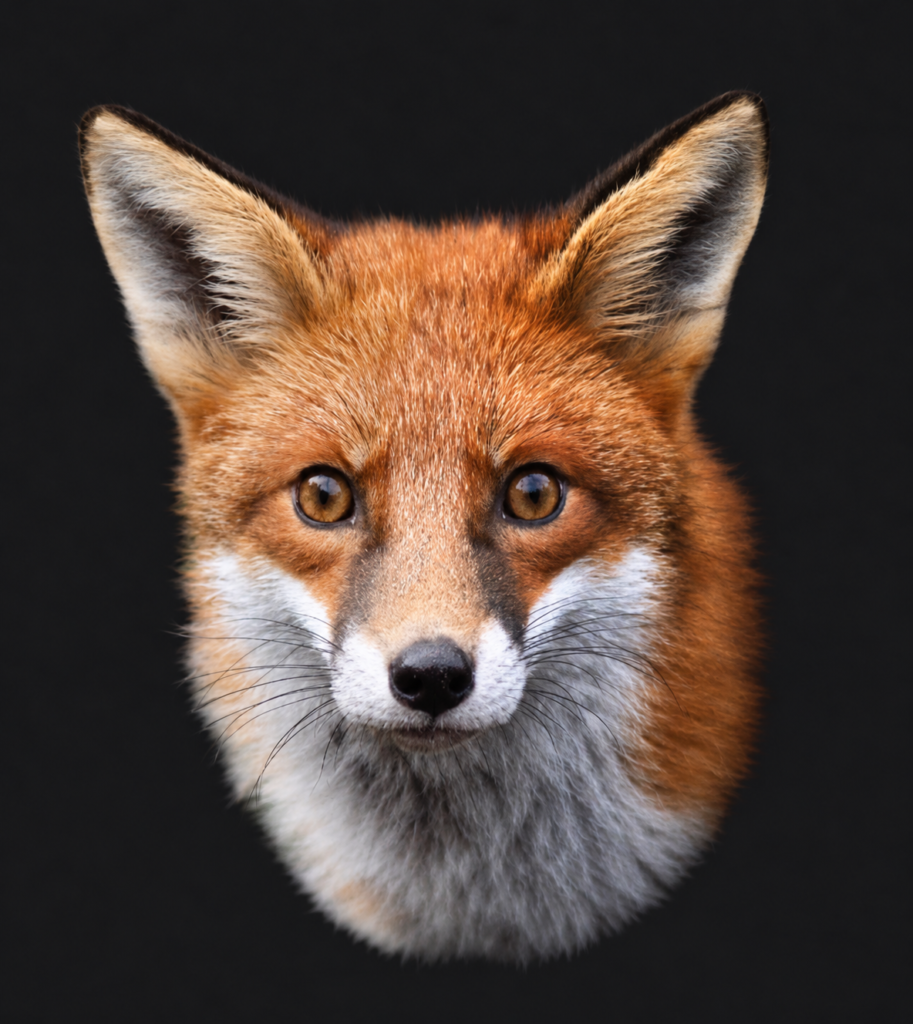
The Save Me logo was inspired by a very special little fox called Alisha.
Alisha arrived at Harper Asprey Wildlife Rescue after falling from a roof in London. Following her rehabilitation, she was carefully soft-released at Save Me headquarters in Windlesham, Surrey.
She went on to live safely and happily in the area for more than six years.
Alisha was much more than a rescued fox. She represented everything Anne and Brian wanted Save Me to stand for: compassion, understanding, respect and the opportunity for wild animals to live their lives as nature intended.
Her black-and-white image became the Save Me logo, and her story continues to inspire our work today.
From a Shared Passion to a National Voice
Save Me was established in 2009 and formally became a charity in 2010, giving Anne and Brian an independent platform from which to champion British wildlife.
From the beginning, their approach was different.
Rather than simply highlighting problems, Save Me set out to find solutions.
The Trust brought together scientists, veterinary professionals, conservationists, farmers, policymakers and community groups, recognising that meaningful, lasting change requires practical experience, reliable evidence and a willingness to listen.
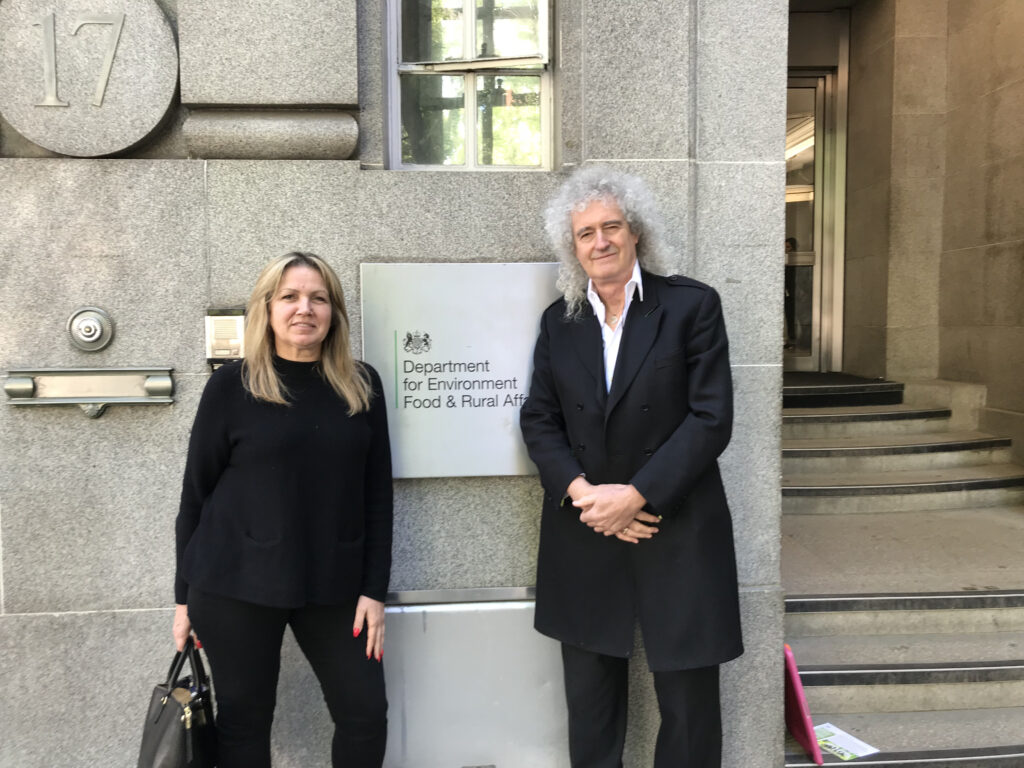
Save Me made its presence known through national campaigns, billboards, music, marches, public debates and meetings with government ministers and Prime Ministers.
They immersed themselves scientific research, examined the evidence, challenged assumptions and worked tirelessly to understand the issues from every perspective.
Their determination, combined with Anne’s extensive hands-on experience of wildlife rescue and rehabilitation, created a powerful partnership .
One rooted in science, strengthened by practical experience and driven by a shared determination to protect wildlife.
Our Work Today
What began as a campaign to protect the Hunting Act has grown into a wider commitment to the welfare, protection and future of Britain’s wildlife.
Today, Save Me continues to focus on strengthening the Hunting Act, bringing an end to badger culling and protecting the habitats upon which wildlife depends.
We work to ensure that development and the needs of a growing human population are balanced with the survival of the species that share our countryside, towns and cities.
Our approach remains rooted in science, compassion, ethics and practical common sense.
We believe that even the most complex challenges can be addressed when people are prepared to work together, consider the evidence and put meaningful solutions ahead of political differences.
Above all, we believe wild animals deserve to be treated with dignity and respect.
Our mission remains as important today as it was when we began: to give wildlife a voice, protect the animals with whom we share our planet and create a future in which people and wildlife can thrive together.
And we have no intention of stopping.


